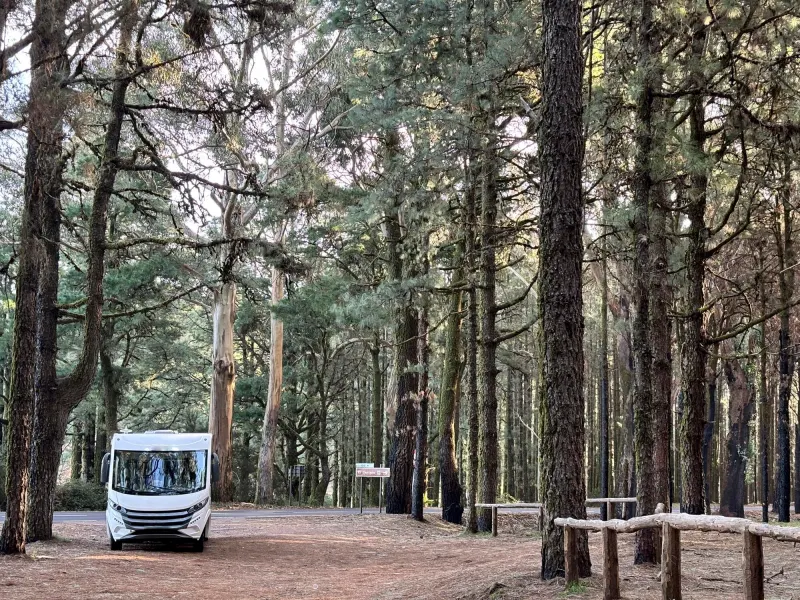
Between Le Crotoy and Saint-Valery-sur-Somme, the sea retreats far out and gives way to vast expanses of sand, mud and salt marshes. Somme Bay is designated a Grand Site de France since 2011, a label that has been renewed since. It is a flat, peaceful territory, ideal for camping families, cyclists and nature lovers, in spring as well as autumn.
Where to camp around the bay
The campsites are spread across both shores and along the coast. Each area has its own character:
- Le Crotoy, on the north shore, with a beach facing due south, a rare thing in northern France. The camping de la Baie de Somme is a convenient base for walks and the little train.
- Saint-Valery-sur-Somme, on the south shore, with its upper town and waterfront. The camping Le Walric allows you to reach the town centre on foot.
- Cayeux-sur-Mer and Hourdel, south of the bay, on the shingle side. The camping de la Vieille Église is close to Hourdel point, where you can observe seals.
- Le Marquenterre, to the north, between dunes and pine forests. The camping Le Champ Neuf at Saint-Quentin-en-Tourmont is very close to the bird sanctuary.
To see all the sites in the area, open the list of campsites in Somme or find them on the map. Out of season, many coastal campsites close: check the opening dates on each listing before you go.
Observing seals
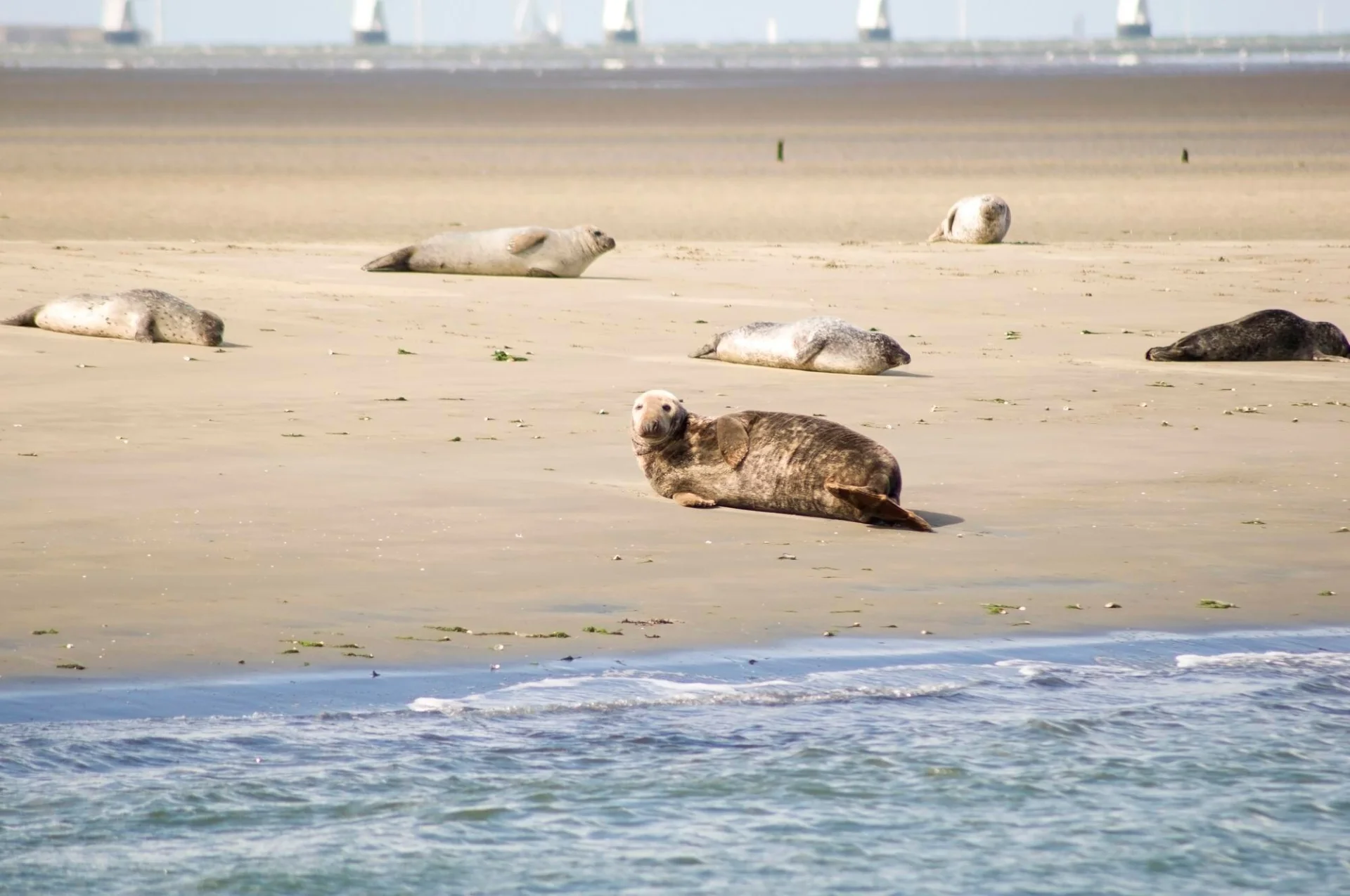
Two species live in the bay: the harbour seal and the grey seal. At low tide, they rest on sandbanks. The best-known spot to see them is Hourdel point, south of the bay.
- Keep a good distance: a disturbed seal returns to the water and loses precious rest time, especially the young.
- Use binoculars rather than getting closer.
- Keep dogs on a lead.
- Guided nature trips allow you to learn more without disturbing the animals.
Crossing the bay on foot, with a guide
The crossing between Le Crotoy and Saint-Valery at low tide is a highlight. It should not be undertaken lightly: the tide comes in quickly and channels can trap walkers. Do it with an approved guide, who knows the tide times and the terrain. Bring footwear for walking barefoot or in shoes that don't mind water, and dress to suit the wind.
The steam railway
The Chemin de fer de la Baie de Somme connects Le Crotoy, Noyelles-sur-Mer, Saint-Valery-sur-Somme and Cayeux-sur-Mer over some 27 km, with steam locomotives and vintage carriages. The network dates from the end of the 19th century and is now run by an association and its volunteers. Noyelles-sur-Mer station is served by regional trains, convenient for travelling without a car. The camping Le Rio is in Noyelles. Running days vary by season: check the timetable before planning your visit.
The birds of Marquenterre
The bay is a major stopover for migratory birds. To the north, the Marquenterre park, at Saint-Quentin-en-Tourmont, offers trails and observation posts to watch them without disturbing them. Spring and autumn, at migration time, are the richest seasons.
Our tips for a successful stay
- Check tide times each day: they determine your walks, seal watching and swimming.
- Be prepared for wind: good pegs, well-pitched tent, windproof layers and warm clothes in the evening, even in summer.
- Think about cycling: the terrain is flat and a tour around the bay is easily done by bike.
- Don't walk alone on the foreshore when the tide is coming in, and never venture into the mudflats without knowing the terrain.